अगर आप TIFR Exam 2026 के जरिए PhD, Integrated PhD (I-PhD) या किसी अन्य Graduate School programme में admission लेना चाहते हैं, तो सबसे पहले एक बात समझना जरूरी है—TIFR GS 2026 कोई एक simple, single-campus admission process नहीं है।
Tata Institute of Fundamental Research (TIFR) एक Deemed University है और इसके अलग-अलग National Centres अपने-अपने subject, admission process, interview schedule और final selection list के साथ काम करते हैं। इसलिए Physics, Chemistry, Biology, Mathematics, Computer Science और Science Education के लिए admission process एक जैसा नहीं है।
इस detailed guide में हम TIFR GS 2026 admission system, exam date, result, centre-wise interviews, eligibility, exam pattern, syllabus, fellowship, Chemistry admission और preparation strategy को आसान भाषा में समझेंगे।
Important: यह guide उपलब्ध GS-2026 admission information के आधार पर तैयार की गई है। जहाँ कोई information centre-specific या partially verified है, उसे स्पष्ट रूप से बताया गया है। Final decision के लिए संबंधित TIFR centre की official admission notification को ही अंतिम मानें।
TIFR Exam 2026 क्या है?
TIFR Graduate School (GS) examination TIFR के विभिन्न research programmes में admission का प्रमुख रास्ता है। इसके माध्यम से अलग-अलग subjects में PhD और Integrated PhD programmes के लिए candidates को shortlist किया जाता है।
कुछ centres और programmes में TIFR-GS के अलावा GATE, JEST, UGC-CSIR NET/JRF या अन्य national-level examinations के scores भी स्वीकार किए जाते हैं।
इसलिए “TIFR Exam 2026” को केवल एक परीक्षा समझना सही नहीं होगा। अलग-अलग centres की admission routes अलग हो सकती हैं।
TIFR के प्रमुख admission centres
| Centre | प्रमुख क्षेत्र |
|---|---|
| TIFR Mumbai | Physics, Chemistry, Biology, Mathematics, Computer & Systems Sciences |
| TIFR Hyderabad (TIFRH/TCIS) | Physics, Chemistry |
| NCBS Bengaluru | Biology और Life Sciences |
| ICTS Bengaluru | Theoretical Physics, Mathematics |
| TIFR-CAM Bengaluru | Applicable Mathematics |
| HBCSE Mumbai | Science Education |
इसका सबसे महत्वपूर्ण परिणाम यह है कि TIFR GS 2026 की कोई एक consolidated final merit list नहीं होती। Final selection centre और subject के अनुसार अलग-अलग जारी हो सकती है।
TIFR GS 2026 Important Dates
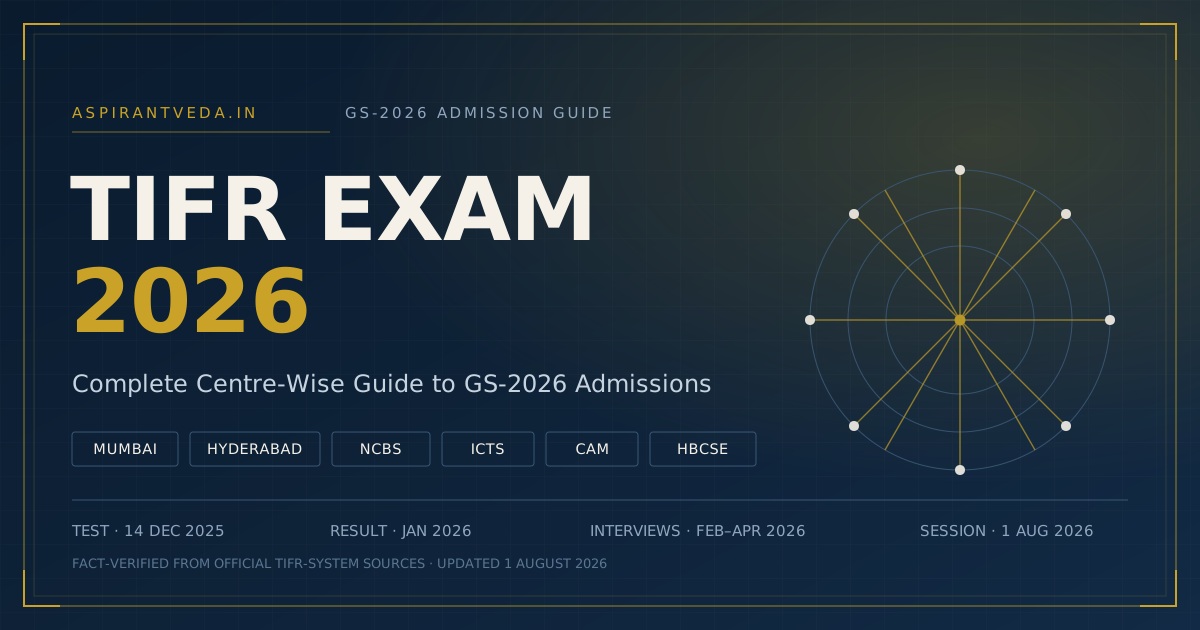
GS-2026 का main written examination 14 December 2025 को आयोजित किया गया था। Written-test result और interview shortlist जनवरी 2026 के अंतिम सप्ताह में जारी हुई थी। इसके बाद अलग-अलग subjects और centres के interviews अलग-अलग dates पर आयोजित हुए।
Centre-wise important interview dates
| Subject/Centre | Interview |
|---|---|
| Physics I-PhD, TIFR Mumbai | 16–17 February 2026 |
| Biology I-PhD, TIFR Mumbai | 16–17 February 2026 |
| Biology PhD, TIFR Mumbai | 19–20 February 2026 |
| Physics PhD, TIFR Mumbai | 23–24 February 2026 |
| Mathematics, TIFR Mumbai | 15 March 2026 |
| TIFR-CAM PhD/I-PhD | 25–27 March 2026 |
| ICTS GS-route | March–April 2026 |
| Chemistry, TIFR Mumbai | 6–9 April 2026 |
NCBS Biology की admission process और TIFR Hyderabad की process अलग calendar पर चलती है। इसलिए केवल “TIFR interview date” देखकर अपनी centre-specific date assume नहीं करनी चाहिए।
TIFR Result 2026: Written Result और Final Selection में अंतर
यह सबसे important points में से एक है।
बहुत से candidates Google पर “TIFR Result 2026” search करते हैं और written result को final selection समझ लेते हैं। दोनों अलग चीजें हैं।
TIFR GS 2026 selection broadly ऐसे समझें:
Written Examination → Shortlist → Interview/Additional Evaluation → Final Selection → Joining
Written-test result केवल यह बताता है कि candidate आगे interview/evaluation के लिए shortlisted है या नहीं।
Final admission बाद में centre और subject के हिसाब से जारी होता है। इसलिए written result आने का मतलब यह नहीं है कि admission confirm हो गया।
क्या TIFR की एक common merit list आती है?
नहीं।
TIFR Hyderabad, NCBS, TIFR-CAM आदि अपने अलग final selection documents प्रकाशित करते हैं। इसलिए result check करते समय केवल “TIFR GS Result” नहीं, बल्कि:
Centre + Subject + Programme
तीनों को देखना जरूरी है।
TIFR GS 2026 Eligibility
TIFR में eligibility programme और subject के अनुसार बदलती है। इसलिए सभी candidates के लिए एक ही qualification लागू नहीं होती।
PhD के लिए सामान्य eligibility
कई standard PhD routes में relevant subject में Master’s degree आवश्यक होती है।
कुछ programmes में eligible 4-year Bachelor’s degree holders, निर्धारित academic performance के साथ, direct PhD route के लिए भी apply कर सकते हैं।
Final-year candidates भी निर्धारित deadline तक अपनी qualifying degree complete करने की शर्त पर apply कर सकते हैं।
Integrated PhD के लिए eligibility
I-PhD मुख्य रूप से Bachelor’s degree के बाद research career शुरू करने वाले students के लिए है।
एक महत्वपूर्ण बात:
जिस candidate के पास पहले से Master’s degree है या July 2026 तक Master’s complete हो जाएगी, वह सामान्यतः I-PhD के लिए eligible नहीं है।
Category relaxation
SC/ST/OBC-NCL/EWS/PwD candidates के लिए applicable Government of India rules के अनुसार relaxation हो सकती है। हालांकि exact relaxation centre और programme की official eligibility table से verify करनी चाहिए।
TIFR Exam Pattern 2026
TIFR का exam pattern subject के अनुसार अलग होता है।
| Subject | Pattern | Duration |
|---|---|---|
| Physics | Two-part paper/screening structure | 3 hours |
| Chemistry | लगभग 40 MCQs, negative marking | 3 hours |
| Mathematics | Part A MCQ + Part B True/False | 3 hours |
| Biology | Biology A + Biology B | 3 hours |
| Computer & Systems Sciences | MCQ-based | 3 hours |
| Science Education | 80 MCQs + descriptive section | 3 hours |
यहाँ एक महत्वपूर्ण बात है कि TIFR सभी subjects के लिए IIT JAM या GATE जैसा एक fixed common syllabus publish नहीं करता। इसलिए ऊपर दिए गए topics को broad preparation areas समझना चाहिए, न कि official chapter-wise syllabus।
TIFR Chemistry Exam 2026
Chemistry students के लिए TIFR GS सबसे interesting research-oriented entrance examinations में से एक है।
GS-2026 Chemistry paper में:
- लगभग 40 MCQs
- चार options
- एक correct answer
- 3 घंटे की duration
- Negative marking
- Physical, Organic और Inorganic Chemistry का coverage
रहा। Year-to-year question count में मामूली बदलाव संभव है, इसलिए final preparation के समय संबंधित cycle की official advertisement देखना बेहतर है।
TIFR Chemistry Eligibility
PhD
Chemistry PhD के लिए सामान्यतः:
- Chemistry में Master’s degree
- या संबंधित/allied discipline की qualifying degree
- कुछ specific cases में qualifying 4-year Bachelor’s degree
जैसी eligibility लागू हो सकती है।
Integrated PhD
I-PhD के लिए Bachelor’s degree in Chemistry या eligible allied discipline आवश्यक हो सकती है।
अगर candidate पहले से Master’s कर चुका है या July 2026 तक Master’s complete कर रहा है, तो सामान्यतः I-PhD route उसके लिए उपलब्ध नहीं है।
TIFR Chemistry Syllabus: किन Topics पर Focus करें?
TIFR Chemistry की तैयारी केवल facts याद करने से नहीं होती। Conceptual understanding और problem-solving ज्यादा important है।
1. Organic Chemistry
मुख्य areas:
- Reaction mechanisms
- Nucleophilic और electrophilic reactions
- Substitution और elimination
- Addition reactions
- Radical reactions
- Stereochemistry
- Conformational analysis
- Chirality
- Pericyclic reactions
- Structure elucidation
- Spectroscopy
- Retrosynthetic analysis
सबसे जरूरी बात यह है कि named reactions को अलग-अलग facts की तरह याद करने के बजाय mechanism समझें।
2. Physical Chemistry
Physical Chemistry में इन topics पर मजबूत पकड़ रखें:
- Thermodynamics
- Chemical equilibrium
- Chemical kinetics
- Quantum chemistry
- Particle in a box
- Hydrogen atom
- Basic perturbation theory
- Statistical mechanics
- Partition functions
- Electrochemistry
- Rotational spectroscopy
- Vibrational spectroscopy
- Electronic spectroscopy
Computational Chemistry में interest रखने वाले candidates के लिए Physical Chemistry और Quantum Chemistry की strong fundamentals विशेष रूप से useful हैं।
3. Inorganic Chemistry
Important areas:
- Coordination chemistry
- Crystal Field Theory
- Ligand Field Theory
- Spectrochemical series
- Magnetic properties
- Electronic structure
- Organometallic chemistry
- 18-electron rule
- Main-group chemistry
- Periodic trends
- Bioinorganic chemistry
TIFR में Quantum Chemistry और Computational Chemistry
Computational Chemistry में interest रखने वाले students के लिए TIFR का research environment विशेष रूप से interesting हो सकता है।
इस क्षेत्र की तैयारी के लिए आपको कम-से-कम इन concepts को समझना चाहिए:
- Quantum mechanics के basic postulates
- Molecular electronic structure
- Hartree-Fock
- Density Functional Theory (DFT)
- Potential Energy Surface
- Geometry optimisation
- Molecular dynamics fundamentals
- Linear algebra
- Differential equations
- Group theory और molecular symmetry
Programming admission की universal requirement नहीं है, लेकिन computational research में आगे बढ़ने के लिए Python जैसी scripting skills practical advantage देती हैं।
TIFR Chemistry Interview में क्या पूछा जा सकता है?
TIFR interview को केवल written exam का दूसरा version समझना सही नहीं होगा।
Interview में candidate की conceptual clarity, reasoning ability और research understanding ज्यादा महत्वपूर्ण हो सकती है।
Possible areas:
- Undergraduate/Postgraduate Chemistry
- आपके project/research work
- Reaction mechanism
- Spectroscopy
- Thermodynamics
- Quantum chemistry
- Mathematics/Physics fundamentals
- Research interests
- आपने TIFR क्यों चुना?
- किस research area में काम करना चाहते हैं?
अगर आपने project किया है तो केवल abstract याद करके न जाएं। आपको यह स्पष्ट रूप से बताना आना चाहिए:
Problem क्या था → आपने क्या किया → कौन-सी method इस्तेमाल की → result क्या आया → limitation क्या थी → आगे क्या किया जा सकता है।
TIFR Chemistry के लिए सबसे बड़ी तैयारी गलती
इन गलतियों से बचें:
- केवल NCERT/factual questions पर depend करना।
- Named reactions को बिना mechanism समझे याद करना।
- Physical Chemistry में formulas याद करके concept छोड़ देना।
- Spectroscopy को केवल memorisation की तरह पढ़ना।
- अपने project को properly समझे बिना interview में जाना।
- TIFR faculty के research areas के बारे में कुछ न जानना।
- Computational Chemistry बोलना लेकिन basic quantum mechanics कमजोर होना।
TIFR-style preparation में “क्यों?” और “कैसे?” का answer देना सीखना ज्यादा महत्वपूर्ण है।
TIFR Interview की तैयारी कैसे करें?
Step 1: Core Chemistry मजबूत करें
पहले Physical, Organic और Inorganic के undergraduate/postgraduate fundamentals मजबूत करें।
Step 2: Previous GS papers solve करें
Available official previous papers को topic-wise analyse करें।
Step 3: Concepts को explain करना सीखें
किसी topic को खुद से बोलकर explain करें।
उदाहरण:
“Why does this reaction follow this mechanism?”
या
“Why does this molecule show this spectroscopic behaviour?”
Step 4: अपना project तैयार करें
Project से जुड़े हर basic concept को दोबारा पढ़ें।
Step 5: Faculty research देखें
TIFR Mumbai और TIFR Hyderabad की current faculty/research areas देखें और अपने interest से उनका connection समझें।
Step 6: Mathematics + Physics revise करें
विशेषकर Physical/Computational Chemistry candidates को mathematical और physics fundamentals ignore नहीं करने चाहिए।
TIFR Mumbai और TIFR Hyderabad में Chemistry
Chemistry admission को एक single programme समझना सही नहीं है।
TIFR Mumbai और TIFR Hyderabad दोनों Chemistry research/admission से जुड़े हैं, लेकिन उनकी faculty, interview process और final selection अलग हो सकती है।
इसलिए candidate को centre-specific information जरूर check करनी चाहिए।
TIFR Fellowship 2026
TIFR में financial support programme और centre के अनुसार अलग हो सकता है।
TIFR Mumbai / TIFRH standard route
PhD:
- ₹37,000/month
- PhD registration के बाद ₹42,000/month
- Hostel या HRA applicable
I-PhD:
- Year 1: ₹25,000/month
- Year 2: ₹37,000/month
- PhD registration के बाद: ₹42,000/month
TIFR-CAM
CAM का fellowship structure अलग है:
- Year 1: ₹21,000/month
- आगे performance/registration के अनुसार ₹31,000 और ₹35,000/month तक
- Separate annual contingency support
इसलिए “TIFR fellowship” के नाम पर एक ही amount सभी centres पर लागू मानना सही नहीं है।
TIFR में PhD कितने साल की होती है?
Programme के अनुसार duration अलग हो सकती है।
सामान्य रूप से:
- PhD: लगभग 5–6 years
- Integrated PhD: लगभग 5–6 years
- कुछ specific programmes में अलग structure हो सकता है।
I-PhD में student को programme के दौरान MSc exit option भी मिल सकता है, applicable rules के अनुसार।
TIFR GS vs GATE vs JEST vs CSIR-NET
हर candidate के लिए TIFR admission का रास्ता केवल GS examination नहीं है।
| Exam/Route | Where applicable |
|---|---|
| TIFR-GS | अधिकांश standard TIFR subject routes |
| GATE | कुछ ICTS/CAM-ICTS/NCBS routes |
| JEST | ICTS Physics route |
| UGC-CSIR NET/JRF | कुछ ICTS/NCBS routes |
| DBT/ICMR/DST-INSPIRE | NCBS national-exam route |
लेकिन eligibility और cutoff/threshold हर centre के लिए अलग हो सकता है। उदाहरण के लिए TIFR-CAM Mathematics PhD के लिए TIFR-GS Mathematics paper की requirement विशेष रूप से strict है।
NCBS का अलग Admission Route
NCBS Biology के लिए TIFR-GS के अलावा national-level exam route भी उपलब्ध हो सकता है।
इस route में qualifying examinations में शामिल हो सकते हैं:
- CSIR/UGC-JRF
- DBT
- ICMR
- DST-INSPIRE
- GATE
Source के अनुसार इस route में qualifying score के लिए >95 percentile जैसी condition लागू थी और GS-2026 cycle की extended deadline 5 April 2026 थी।
ICTS में Admission
ICTS का admission system भी थोड़ा अलग है।
यह विभिन्न national-level examinations के scores को consider करता है, जैसे:
- TIFR-GS
- JEST
- GATE
- UGC-CSIR
GS-route और अन्य exam routes के interviews अलग windows में हो सकते हैं।
TIFR-CAM Admission
TIFR-CAM Mathematics के लिए admission rules काफी specific हैं।
Official programme information के अनुसार TIFR-CAM Mathematics PhD के लिए TIFR-GS Mathematics paper मुख्य accepted route है और अन्य GS subject या unrelated exam score को substitute नहीं माना जाना चाहिए।
GS-2026 के लिए CAM interviews 25–27 March 2026 को आयोजित हुए थे।
HBCSE और TIFR GS में अंतर
Homi Bhabha Centre for Science Education (HBCSE) का Science Education PhD admission सामान्य Physics/Chemistry/Biology/Mathematics GS examination से अलग है।
इसका entrance test:
- Computer-based
- 3 घंटे
- Section 1: 80 MCQs
- Section 2: descriptive/essay component
होता है।
HBCSE के लिए final selection में interview performance को विशेष महत्व दिया जाता है।
TIFR में Competition कितना है?
TIFR highly selective research institute है।
TIFR के self-study information के अनुसार institute-wide लगभग 20,000–25,000 applicants में से 200–250 candidates को admission दिया जाता है।
यह roughly 1 in 100 के आसपास overall selection ratio दर्शाता है।
ध्यान रखें कि यह पूरे TIFR system का institute-wide figure है, किसी specific subject या Chemistry का cutoff/selection ratio नहीं।
TIFR में Student-Faculty Ratio
उपलब्ध TIFR self-study information के अनुसार:
Average student-to-faculty ratio लगभग 3:1 बताया गया है, जबकि upper limit 8:1 तक बताई गई है।
इसका अर्थ है कि TIFR का research environment comparatively small और closely mentored structure वाला हो सकता है।
TIFR Research Environment
TIFR का मुख्य focus fundamental और advanced scientific research पर है।
Research areas में विभिन्न centres पर:
- Physics
- Chemistry
- Biology
- Mathematics
- Computer Science
- Materials
- Spectroscopy
- Quantum Science
- Computational Chemistry
- High-performance computing
जैसे interdisciplinary क्षेत्रों में काम होता है।
TIFR Hyderabad के research infrastructure में computational chemistry, NMR, advanced materials और HPC-related activities भी documented हैं। हालांकि पूरे TIFR system के लिए एक consolidated public HPC specification उपलब्ध नहीं है।
TIFR Admission के लिए Best Preparation Strategy
अगर आपका target अगली TIFR GS cycle है, तो preparation को तीन stages में divide कर सकते हैं।
Phase 1 — Fundamentals
पहले अपने subject के basic concepts मजबूत करें।
Chemistry students के लिए:
Physical + Organic + Inorganic + Spectroscopy
इन चारों को balanced तरीके से पढ़ें।
Phase 2 — Problem Solving
अब conceptual और numerical questions solve करें।
विशेष रूप से:
- Previous TIFR papers
- GATE questions
- CSIR NET questions
- JEST-level relevant questions
- Advanced conceptual problems
का उपयोग किया जा सकता है।
Phase 3 — Interview Preparation
Written preparation के साथ interview-oriented preparation शुरू करें।
अपने बारे में इन questions के answers तैयार रखें:
- Why TIFR?
- Why Chemistry?
- Which research area interests you?
- Which faculty/research group interests you?
- What was your project?
- What did you personally contribute?
- What would you do differently?
- Which computational/experimental methods do you know?
TIFR Chemistry Preparation के लिए Topic Priority
अगर समय कम है तो broadly यह priority रख सकते हैं:
High Priority
- Quantum Chemistry
- Thermodynamics
- Chemical Kinetics
- Organic Reaction Mechanism
- Stereochemistry
- Coordination Chemistry
- Spectroscopy
Medium Priority
- Statistical Mechanics
- Electrochemistry
- Organometallic Chemistry
- Pericyclic Chemistry
- Main Group Chemistry
Interview Focus
- Project
- Research Interest
- Basic Mathematics
- Basic Physics
- Conceptual Chemistry
TIFR Exam 2026 FAQs
1. TIFR Exam 2026 क्या है?
यह TIFR Graduate School admission cycle को refer करता है, जिसके माध्यम से अलग-अलग centres में PhD और Integrated PhD programmes के लिए admission process चलता है।
2. क्या TIFR की एक ही परीक्षा होती है?
नहीं। Main GS test कई subjects के लिए common admission instrument है, लेकिन ICTS, NCBS और HBCSE में additional/separate admission routes भी हो सकते हैं।
3. TIFR GS 2026 exam कब हुआ था?
14 December 2025.
4. TIFR Result 2026 कब आया?
Written-test result और interview shortlist January 2026 के अंतिम सप्ताह में जारी हुए थे। Exact date के संबंध में source में 28 और 30 January दोनों reports का उल्लेख है, इसलिए candidate को अपना official scorecard verify करना चाहिए।
5. क्या written result ही final selection है?
नहीं। Written result interview shortlist से संबंधित है। Final selection बाद में centre और subject के अनुसार जारी होता है।
6. TIFR Chemistry interview कब हुआ?
Mumbai Chemistry cycle के लिए 6–9 April 2026 interview window थी। TIFR Hyderabad का process अलग schedule पर हो सकता है।
7. Chemistry में कितने questions आते हैं?
GS-2026 Chemistry pattern में लगभग 40 MCQs का single section था, 3 घंटे की duration और negative marking के साथ।
8. क्या TIFR में fixed cutoff होता है?
TIFR सभी subjects के लिए एक single fixed numerical cutoff publish नहीं करता। उपलब्ध source के अनुसार कोई consolidated official GS-2026 cutoff document identify नहीं किया गया था।
9. क्या GATE score से TIFR में admission मिल सकता है?
कुछ specific programmes और centres में हाँ। लेकिन यह पूरे TIFR system पर universally लागू नहीं होता। Centre-specific eligibility देखना जरूरी है।
10. क्या JEST score स्वीकार किया जाता है?
ICTS Physics route में JEST score स्वीकार किया जा सकता है।
11. क्या CSIR-NET/JRF से TIFR admission संभव है?
कुछ routes में हाँ, विशेष रूप से ICTS और NCBS के applicable routes में। Eligibility और rank/percentile conditions centre-specific हैं।
12. TIFR Mumbai में PhD fellowship कितनी है?
Available information के अनुसार PhD students के लिए ₹37,000/month, और PhD registration के बाद ₹42,000/month तक enhancement है, साथ में hostel/HRA applicable हो सकता है।
13. I-PhD fellowship कितनी है?
TIFR Mumbai/TIFRH standard route के लिए:
- Year 1: ₹25,000/month
- Year 2: ₹37,000/month
- PhD registration के बाद: ₹42,000/month
बताया गया है।
14. क्या TIFR-CAM की fellowship भी इतनी ही है?
नहीं। CAM की fellowship structure अलग है और entry-stage amount comparatively lower है।
15. क्या Master’s students I-PhD में apply कर सकते हैं?
सामान्यतः नहीं, यदि candidate के पास पहले से Master’s degree है या specified deadline तक Master’s complete हो जाएगी।
16. TIFR में Chemistry कहाँ होती है?
Chemistry admission/research के लिए TIFR Mumbai और TIFR Hyderabad दोनों relevant centres हैं। इनके interview और final selection processes अलग हो सकते हैं।
निष्कर्ष
TIFR GS 2026 को केवल एक entrance examination की तरह देखना सही नहीं है। यह एक multi-centre, subject-specific research admission system है, जिसमें written examination के बाद अलग-अलग centres और subject boards अपनी shortlisting, interview और final selection process चलाते हैं।
सबसे जरूरी बात यह है कि:
TIFR written result ≠ final admission.
Final selection के लिए अपने centre + subject + programme की information देखना जरूरी है।
अगर आपका लक्ष्य TIFR Chemistry है, तो केवल objective questions की तैयारी न करें। Organic mechanisms, Physical Chemistry, Quantum Chemistry, Spectroscopy और Inorganic Chemistry की conceptual depth पर काम करें। साथ ही अपने research interest और project को interview level तक तैयार रखें।
Computational Chemistry में interest रखने वाले students को Quantum Mechanics, Thermodynamics, Spectroscopy, Group Theory, Hartree-Fock और DFT जैसे fundamentals पर विशेष ध्यान देना चाहिए।
और सबसे महत्वपूर्ण—TIFR admission से जुड़ी final eligibility, dates, fellowship और selection information के लिए हमेशा संबंधित TIFR centre की official notification को प्राथमिक source मानें।